







Search Results for: Coffee Grade Classification
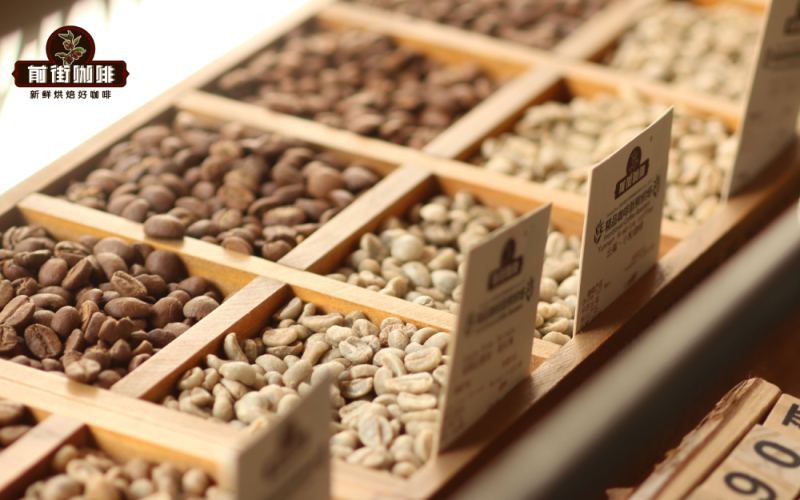
A Detailed Explanation of the Colombian Green Coffee Grading System: Excelso Grade Standards, Screen Size Classification, and Supremo Flavor
The grading of green coffee beans not only affects trading prices but also, to a certain extent, reflects flavor tendencies. For this reason, each producing country establishes its own grading rules based on local conditions. This article focuses on Colombia's green bean grading system, with emphasis on explaining the meaning of the Excelso export grade, the defect scoring method, and the specific standards based on screen size classification, while also introducing the differences among the three common export grades: UGQ, EP, and Supremo. At the same time, Front Street Coffee will share the flavor characteristics and brewing suggestions for Supremo-grade coffee beans from Colombia's Huila region, helping coffee enthusiasts extend their knowledge of grading into the actual drinking experience. [more…]

Analysis of Tanzania Coffee Bean AA and PB Grade Classification and Price Differences
Although Tanzanian coffee is not as famous as that of its neighbor Kenya, it has earned the reputation of the "gentleman of coffee" with its full body and soft acidity, and the Kilimanjaro region is a representative of specialty African beans. This article systematically sorts out the historical origins and grading system of Tanzanian coffee, explains in detail the specific particle size classification standards of AA, AB, PB, and C grades, and, starting from cupping and pour-over experience, presents the complete quality control process of Front Street Kilimanjaro AA washed beans from baking curve confirmation to flavor delivery, helping you understand the causes of citrus and berry notes and the honey-tea-like sweet aftertaste, and evaluate the price positioning and purchasing logic of different grades. [more…]
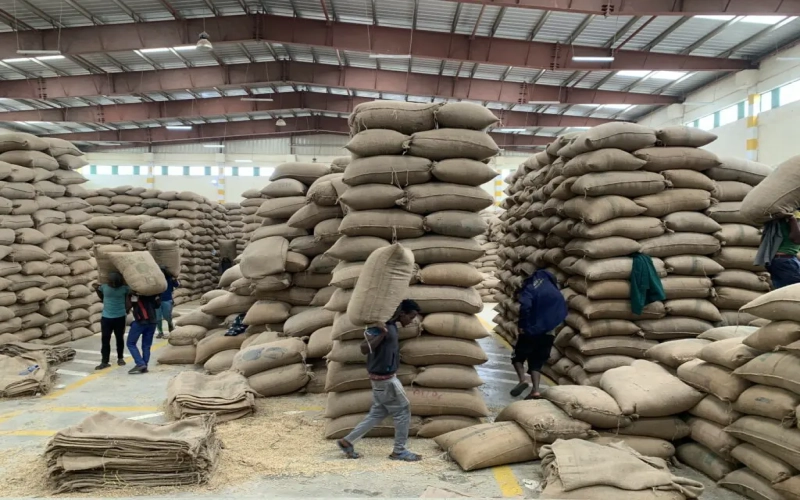
Detailed Explanation of Ethiopian Sidamo Coffee Bean Grading: Classification Standards and Differences Between G1 and G2 Grades
As an agricultural product, coffee beans' quality is influenced by many factors, so a grading system is needed to standardize quality and provide a purchasing reference for green bean buyers. Grading standards vary across producing regions: some are based on altitude, others on bean size, while Ethiopia uses a combination of defect rate and cupping. This article will provide an in-depth analysis of the meaning of the G1 and G2 grades for Ethiopian Sidamo coffee beans, explore the evolution of its grading system, and, through a comparison of Yirgacheffe G1 and G2—from appearance and roasting to cupping flavor—reveal the practical impact of grade differences on coffee quality. At the same time, Front Street Coffee's brewing recommendations will also provide you with useful reference. [more…]
Ethiopian Washed Yirgacheffe Aricha G1 Coffee Beans: Grade Classification, Flavor Characteristics, and Pour-Over Parameters Explained
Yirgacheffe is one of Ethiopia's most iconic specialty coffee regions, and the Aricha G1 washed lot stands out as one of its finest examples. This article begins with green bean processing methods and grade classification, systematically outlining the grading logic under SCAA standards for the two major categories of washed and natural, and focusing on the origin background, processing station information, and Project Origin's sourcing philosophy behind Aricha G1. We will also share a proven pour-over brewing recipe, along with Front Street Coffee's product parameters, to help coffee enthusiasts fully understand the flavor origins and brewing key points of this bean. [more…]

A Complete Guide to the Classification of Hard Beans, Soft Beans, Flat Beans, and Round Beans: Flavor Characteristics of High-Grade Panamanian Coffee
Beyond varietal differences, coffee beans have multiple classification dimensions, which gives rise to many alternative names. This article begins with the appearance-based classification of flat beans and round beans, and focuses on answering the question coffee enthusiasts often ask: what exactly does "hard bean" mean? It originates from a grading system in Central American growing regions that classifies bean hardness by cultivation altitude—the higher the altitude, the greater the density and the higher the grade. The article also shares how to judge bean hardness by feel, the roasting and brewing strategies corresponding to coffee beans of different hardness, and uses actual brewing parameters as examples to illustrate the differences in extraction between high-hardness light-roasted beans and low-hardness dark-roasted beans, helping readers find a suitable brewing approach. [more…]

Colombian Supremo Coffee Beans: A Detailed Guide to the Flavor Characteristics and Grade Classification of the Medellín Region
Colombia is the world's second-largest coffee-producing country and the largest exporter of washed Arabica beans. Its top Supremo grade represents high-quality coffee with plump beans and exceptional balance. This article provides a comprehensive analysis of the unique appeal of Colombian Supremo coffee beans from multiple angles, including grade classification, regional characteristics, and flavor profile, guiding you through this specialty coffee hailed as "green gold," as well as the core position of the Medellín region in Colombia's coffee landscape. [more…]
Yirgacheffe Washed vs. Natural Processing Methods: Flavor Characteristics and Grade Classification Comparison
Yirgacheffe, as one of the most representative coffee regions in Ethiopia, offers coffee beans with strikingly different flavor profiles depending on whether they are washed or natural processed. The washed method removes pectin through fermentation and rinsing, resulting in clean, bright acidity and soaring aromatics; the natural method keeps the whole fruit for a long, slow drying period, delivering intense fruity notes and a rich, syrupy body. This article systematically breaks down the core differences between these two processing methods from multiple angles—processing flow, flavor characteristics, and grading—and introduces the unique charm of Front Street G1 Yirgacheffe, helping coffee lovers gain a deeper understanding of Yirgacheffe's flavor code. [more…]
Detailed Explanation of Yunnan Coffee Grade 2 Classification Standards: A Full Analysis of Physical, Chemical, and Hygiene Indicators and Quality Grades
Yunnan is a major coffee-producing region in China, and its coffee bean grading system is crucial for quality control. What tier does Special Grade 2 occupy? This article breaks down the specific requirements for Yunnan coffee beans at Special Grade 2 one by one, from appearance and sensory attributes, physical indicators, and chemical indicators to hygiene standards, including hard data such as a granule size of 7.1 mm, broken beans not exceeding 10%, and moisture content ≤12.5%. Understanding these standards not only helps you judge coffee bean quality but also helps you make wiser choices when purchasing. Front Street Coffee will also share related product information in the article, making it suitable for coffee enthusiasts who want to gain a deeper understanding of the grading logic for Yunnan beans. [more…]
Overview of Jamaica Blue Mountain Coffee's Origin, Green Bean Grade Classification, and Blue Mountain Estate Bean Details
Jamaican Blue Mountain coffee is globally recognized as one of the top-tier coffees, but many people are not clear that its grading system is actually different from the commonly seen Grade 1. Front Street Coffee takes you through the origins and background of Jamaican Blue Mountain, as well as the three major categories and seven export grades of Blue Mountain coffee classified by altitude and bean size. From Blue Mountain No. 1 to Blue Mountain Peaberry, each grade has strict regulations on screen size and defect bean ratio. This article will provide a detailed analysis of the grading standards for Jamaican Blue Mountain green beans, helping coffee enthusiasts gain a more accurate understanding of this legendary production region. [more…]
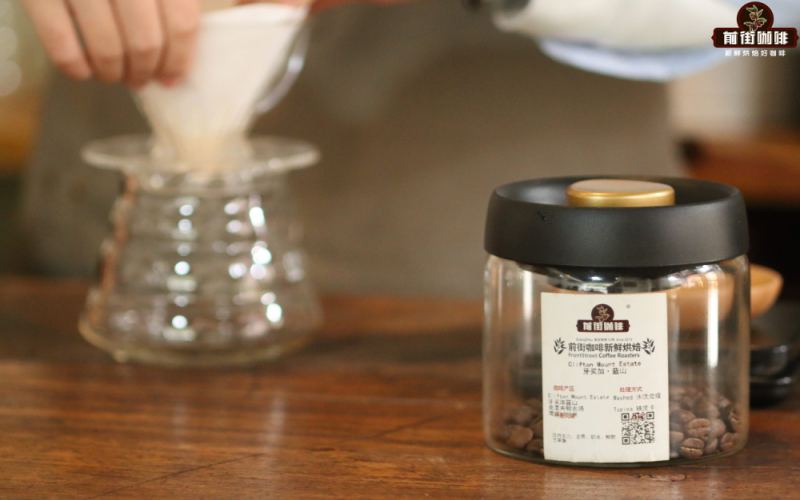
Blue Mountain Coffee: A Full Analysis of Flavor Characteristics, Grade Classification, and Differences from Regular Coffee
Blue Mountain coffee was once the pinnacle of the coffee world, and it still draws many enthusiasts on special pilgrimages to this day. As one of the few shops that sells authentic Blue Mountain coffee in person, Front Street Coffee regularly welcomes guests who come to check it out after hearing about it. Yet many people still know surprisingly little about Blue Mountain coffee. This article will take you deeper into the authentic taste profile of Blue Mountain coffee, how it differs from ordinary coffee, the classification of Blue Mountain coffee, and how Front Street uses pour-over to bring out the rich, full-bodied flavor of Blue Mountain No. 1. At the same time, we will also clarify the common chaos of fake Blue Mountain coffee on the market, and introduce the origin certification, grading standards, and brewing details of Jamaican Blue Mountain coffee. [more…]

An Analysis of the Meaning of Tanzanian Coffee AA and AB Grades: British Imperial Screen Size Standards and the Detailed Classification Rules for Each Grade
Tanzania, one of Africa's Big Three coffee producers, has performed increasingly impressively in the global specialty coffee market in recent years. When buying Tanzanian coffee beans, what exactly do the "AA" and "AB" labels commonly seen on packaging mean? These letters are in fact grade codes for Tanzanian Arabica coffee beans, using a British imperial grading method similar to Kenya's, though the specific standards differ. Tanzanian authorities grade coffee by screen size, assuming that larger size means better quality, and classify beans into multiple grades such as AAA, AA, A, B, PB, C, E, F, AF, and TT. Among these, Grade AA requires mostly 17 to 18 mesh, while Grade AB is a mix of Grades A and B, and no such official grade actually exists. This article will explain in detail the specific mesh requirements and screening standards of each grade, helping coffee lovers decipher the grading code of Tanzanian coffee beans. [more…]
A Comprehensive Analysis of the Basis for Coffee Bean Specification and Grade Classification: Industry Standards from Washing Methods to Altitude Quality
The world of coffee beans is far more complex than that smudge of amber in your cup. From the small white jasmine-like flowers on the branch to the green raw beans in the processing plant, every coffee bean has undergone layer upon layer of selection by climate, altitude, variety, and processing method. There are about sixty coffee-producing countries worldwide, each grading coffee according to whether it is washed, whether the bean shape is flat or round, bean size, cultivation altitude, defect rate, and even taste tests. The two major varieties, Arabica and Robusta, each hold their own in terms of yield and flavor, while new crop, one-year-old, and multi-year-old beans each have their own character. Understanding these specifications and grading standards not only helps enthusiasts decipher the terminology on packaging, but also understand why beans from the same origin can present such a kaleidoscope of flavors. This article will start from basic common knowledge and systematically sort out the grading logic and refining process of coffee beans. [more…]
A Detailed Explanation of the Ethiopian Coffee Bean Grading System: Yirgacheffe Grade Classification and the Inner Workings of the Auction System
As the birthplace of coffee, Ethiopia has the most well-developed coffee bean grading system among African producing countries, yet it also leaves many enthusiasts confused. Taking Yirgacheffe as an example, what exactly do Grade-1 and Grade-2 mean? Why can two batches of beans both labeled Yirgacheffe G2 differ so vastly in quality? This article will provide an in-depth analysis of Ethiopia's unique origin naming rules, the grade differences between washed and natural beans, the Parchment Coffee auction grading system, and how exporter blending affects the final quality. The article specifically covers real cases such as Front Street Coffee Yirgacheffe Grade-2, helping you truly decipher the grade code of Ethiopian beans. [more…]

A Comprehensive Interpretation of the Flavor Characteristics and Grade Classification System of Colombian Supremo Specialty Coffee Beans
Colombian coffee is named after its country and is one of the most renowned coffees in the world. This South American nation is not only proud of its football, but coffee is equally a source of national pride. From coffee's first introduction in 1808 to today, Colombia has developed into the world's second-largest coffee producer and the largest exporter of washed Arabica beans. Its coffee-growing regions are distributed across the highlands of the Andes Mountains, where unique climatic conditions create a classic flavor that is smooth with a balanced acidity. Among these, Supremo is the highest grade of Colombian green beans, meaning that 95% of the beans are above 18 screen size, large and plump. This article will provide a detailed introduction to the historical background of Colombian coffee, the characteristics of its growing regions, the grading standards, and its traditional flavor profile, and will recommend the Huila region coffee beans from the Front Street Coffee everyday drinking series that use traditional washed processing, helping enthusiasts gain a comprehensive understanding of the unique charm of this South American coffee kingdom. [more…]
Ethiopian Yirgacheffe Specialty Coffee Flavor Analysis and Explanation of G1 to G4 Grade Classification
When it comes to African specialty coffee, Yirgacheffe is undoubtedly a name that cannot be avoided. It is both a producing region in Ethiopia and represents the benchmark standard for the country's specialty coffee. This land is located at an altitude of about 1,800 to 2,000 meters, making it one of the highest coffee-growing areas in Ethiopia. It is precisely such unique geographical conditions that give rise to coffee flavors with citrus notes and rich floral aromas. In terms of green bean processing, Yirgacheffe is mainly divided into two directions: natural and washed. Natural processing gives the cup a fuller and sweeter mouthfeel, while washed processing brings a clearer aroma expression. At the same time, the washed process can also shorten the processing cycle from one to two months to three to five days. In addition, Yirgacheffe is classified into different grades such as G1 to G4 according to the degree of defects, and the smaller the number, the better the quality. This article will provide a comprehensive understanding of this coffee from aspects such as flavor characteristics, processing methods, and the grading system. If you have not yet tasted Yirgacheffe, you may wish to add it to your list for next time, for example, the Yirgacheffe produced by Front Street Coffee is worth paying attention to. [more…]
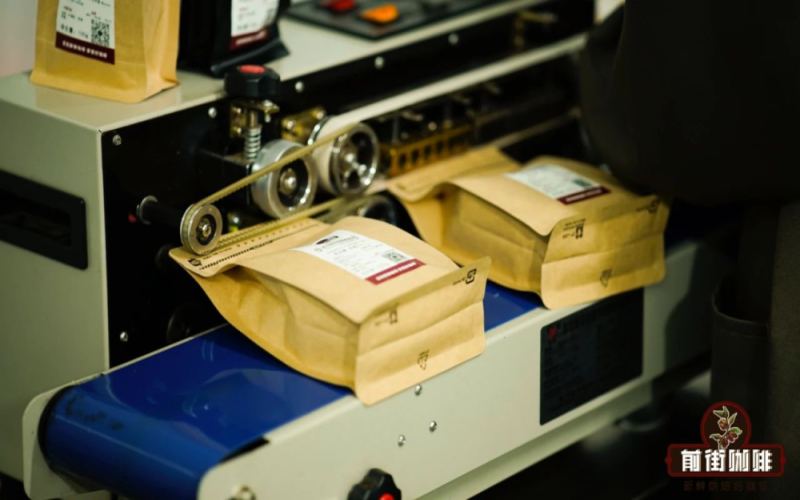
A Complete Guide to Jamaican Blue Mountain Coffee: Flavor Characteristics, Growing Conditions, Grade Classification, and Authenticity Verification
Blue Mountain coffee has long been regarded as a classic representative in the coffee world. Its full aroma, balanced taste, and lingering sweet aftertaste have fulfilled countless tasters' imagination of a good cup of coffee. However, in today's trend of chasing fruity acidity and regional flavors, has Blue Mountain become outdated? This article will comprehensively sort out every aspect of this legendary coffee from perspectives including the geography and climate of the Blue Mountain producing region, cultivation and harvesting methods, green bean processing procedures, the history of Japanese capital involvement, as well as the CIB official grade classification and authenticity identification methods. The article will also combine the example of the Clifton Farm Blue Mountain coffee beans sold by Front Street Coffee to help readers build a systematic understanding of authentic Blue Mountain coffee. [more…]
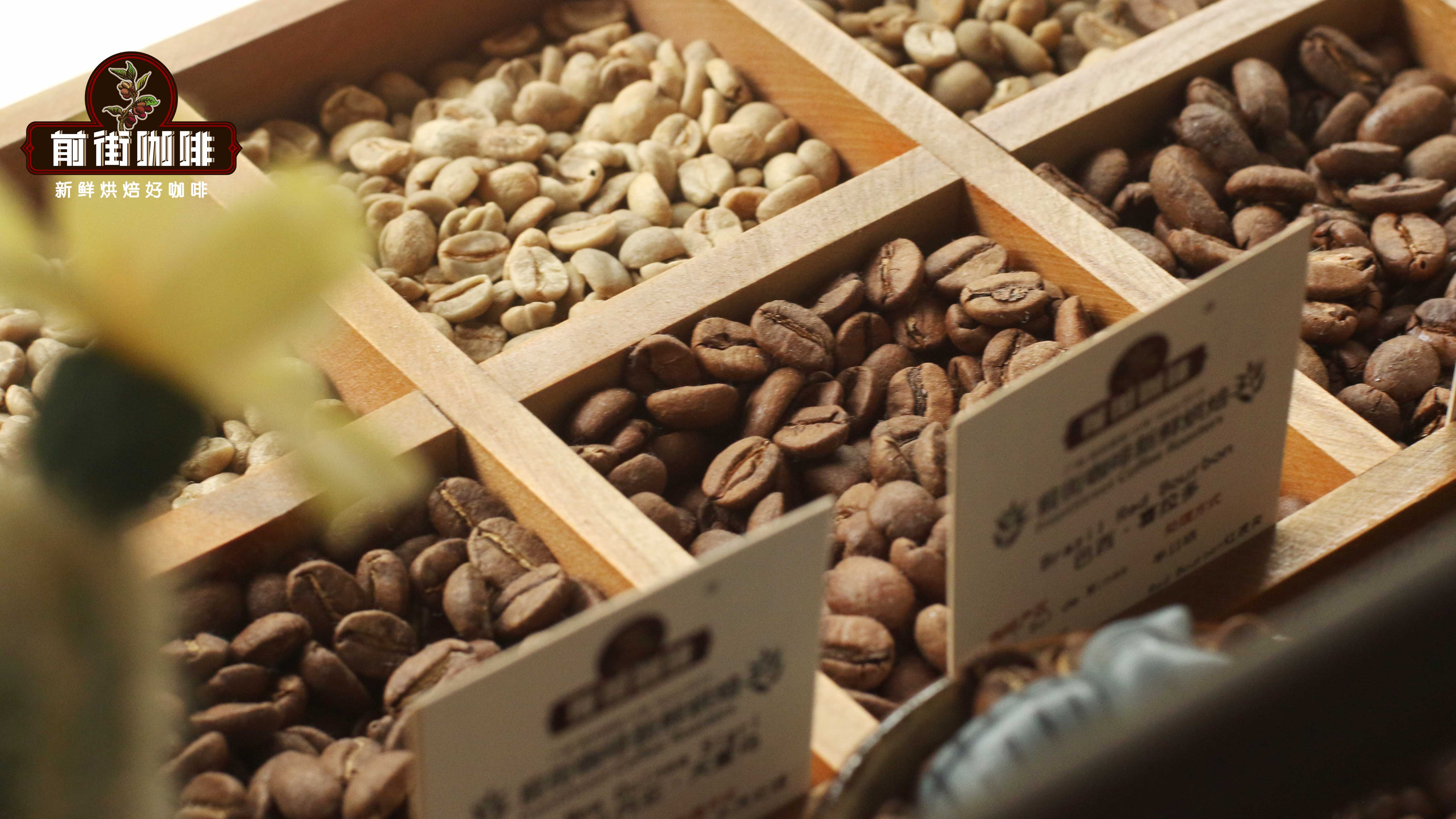
Brazilian Coffee Beans' Grading System and Flavor Characteristics: Three Classification Methods and Front Street Recommendations
Brazil is the world's largest coffee producer, accounting for about one-third of global output. Because its growing regions span 14 states, Brazil uses a three-dimensional grading system based on defect rate, screen size, and cup profile to ensure consistent quality. This article will explain in detail Brazil's three coffee bean grading methods, decode the meaning of the grade markings on green bean jute sacks, and introduce two products recommended by Front Street Coffee: the Brazil Cerrado everyday drinking bean and the Queen Estate Yellow Bourbon, helping coffee lovers gain a deeper understanding of the unique appeal of Brazilian coffee. [more…]
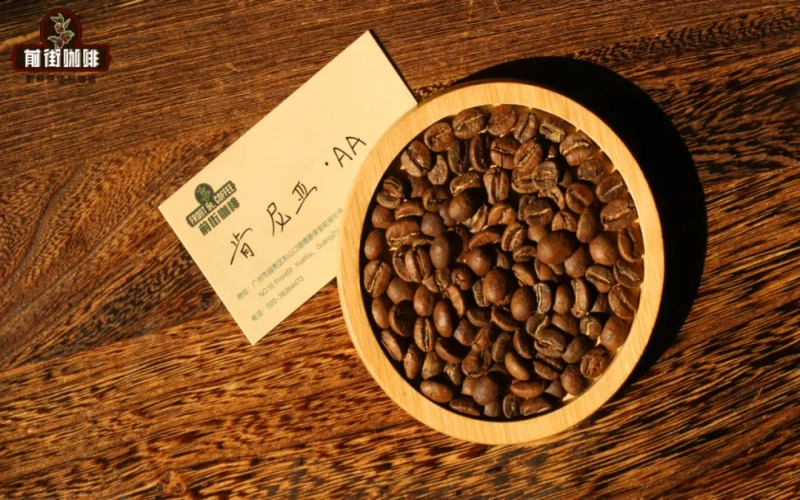
Analysis of the Differences Between AA and AB Grades of Green Coffee Beans: A Full Interpretation of Kenya's Grading System and Three Major Grading Systems
In East African coffee-producing countries, coffee bean names from Tanzania, Uganda, and even Kenya often carry the suffix AA. What exactly does this letter combination mean? It represents the grade classification of green coffee beans. However, grading methods across global coffee origins are not limited to just one type; besides bean size, there are also different standards based on defect rate, growing altitude, and more. This article will take Front Street's perspective to systematically outline the three major green coffee bean grading systems, with a focus on analyzing Kenya's strict size-based grading system—from AA, AB to PB, E, TT, T, and even MH/ML, detailing the specific classification standards for each grade, while also pointing out the obvious limitations of judging quality by size. [more…]
What Exactly Is the Difference Between Hard Beans and Soft Beans? A Full Breakdown of Altitude Grading Logic and Coffee Classification
Baristas often mention hard beans and soft beans, but these two terms actually do not refer to whether the beans feel hard or soft to the touch—they refer to the density of the coffee beans. The concept of hard beans comes from the Central American coffee grading system, which uses altitude as the standard—the higher the altitude, the lower the growing temperature, the slower the coffee fruit matures, the more flavor compounds it accumulates, and the greater the bean density becomes. Panama, Costa Rica, Guatemala, and other countries generally adopt this logic, while Ethiopia, because its overall altitude is high, is almost entirely made up of extremely hard beans and does not need further subdivision by altitude. Of course, although high-density beans are delicious, they also bring more challenges during grinding and brewing. [more…]
Jamaica Blue Mountain Coffee Wallenford Estate Origin Analysis: Growing Conditions, Grade Classification, and Variety Overview
Jamaican Blue Mountain Coffee, as a representative of the world's top specialty coffee, has always attracted much attention for its cultivation conditions, variety classification, and grading standards in the Wallenford Estate production area. Starting from the unique flavor of Blue Mountain Coffee, this article provides a detailed overview of the production area divisions and grading systems of Jamaica's three major coffee varieties—Blue Mountain Coffee, High Mountain Coffee, and Jamaican Coffee—analyzes the definition of Blue Mountain Coffee under CIB standards at elevations above 666 meters, and introduces Front Street Coffee Blue Mountain's low caffeine content, flavor characteristics, and medium-roast recommendation. At the same time, it examines the relationship between the scarcity of Blue Mountain Coffee production and its market price, helping coffee enthusiasts gain a comprehensive understanding of the true nature of this legendary coffee. [more…]